

We need to discuss something that has completely taken over my entire social media feed, and honestly, my entire closet too.
If you have been anywhere on the internet lately, you know exactly what I am talking about. The “clean girl” era is slowly taking a back seat, and we are entering a totally new, slightly more edgy phase. Yes, we are talking about the Office Siren aesthetic.
I know what you are thinking. Anne, aren’t office clothes supposed to be boring? Like, aren’t we just supposed to wear those incredibly stiff slacks and call it a day? Listen, I thought the exact same thing. Let me tell you a quick story.
When I got my very first big corporate job right out of college, I panicked. I drove straight to the mall and bought the most tragic, boxy pantsuits you could ever imagine. I thought I had to look like a 1980s Wall Street banker to be taken seriously. I literally looked like a walking refrigerator. One morning, I was rushing to catch the elevator, holding two coffees, and my giant shoulder pad got physically hooked onto the door frame. I spun around like a cartoon character in front of the entire marketing department and spilled coffee on my shoes. It was absolutely tragic. I felt so awkward in my clothes every single day because they just weren’t me.
But the Office Siren trend? Oh, it changes everything. It is the perfect mix of 90s minimalism and early 2000s chic. Think Gisele Bündchen in The Devil Wears Prada. It is smart, it is incredibly confident, and it actually flatters your shape instead of hiding it. You look like you mean business, but you also look like the coolest person in the room.
What Exactly is the Office Siren Vibe?
Okay, so let’s break it down. What makes someone an office siren? It is all about taking traditional corporate wear and making it slightly more feminine, slightly more tailored, and a lot more stylish.
You are swapping out the massive oversized blazers for fitted cardigans. You are trading those chunky dad sneakers for a sleek, pointed-toe kitten heel. It is an energy. It is the vibe of a girl who knows how to do her spreadsheets, but also knows exactly what she is wearing to happy hour afterwards.
It honestly feels so empowering. You put these outfits on, and your posture literally changes. I find myself typing faster at my keyboard just because I feel so put together. It is wild how fashion does that to your brain.
Let’s look at some visual inspiration before we get into the exact pieces you need. I found this amazing video the other day that perfectly captures the whole mood.
The Core Colors
First things first, we need to talk about the color palette. If you are a neon pink girlie, you might have to step out of your comfort zone a bit here. The office siren lives for neutral, moody tones.
We are talking about charcoal greys, deep chocolate browns, burgundy, navy, and obviously, classic black. You also want to mix in some softer colors to balance it out. Think cream, soft taupe, and pale flesh-toned shades that blend seamlessly with your skin. These colors just scream old money and high fashion.
When you stick to a color palette like this, getting dressed in the morning is a breeze. Almost everything matches. You can grab a charcoal skirt and a cream top at 7 AM when you are half asleep, and you will still look flawless.
Building the Wardrobe: Step by Step
Alright, let’s get into the fun part. How do we actually build this wardrobe without spending our entire paycheck? Here are the exact pieces you need, and how I personally style them.
1. The Bayonetta Glasses
You guys, if there is one single item that defines this trend, it is the glasses. You need those slim, rectangular, wire-rimmed or tortoiseshell glasses. They are commonly called Bayonetta glasses, named after the video game character, and they are everywhere right now.
Even if you have perfect 20/20 vision, just get a pair with blue-light blocking lenses. They instantly make you look 100 times smarter and more mysterious.
I actually found my absolute favorite pair at a dusty little thrift store last weekend. My best friend Sarah and I were digging through this giant bin of old accessories. You know the bins I am talking about – they smell kinda like old perfume and attic dust? I was literally about to give up. My hands were covered in dust. But then, right at the bottom, I saw them. Genuine vintage tortoiseshell frames from like 1998. I bought them for three dollars. Three! I took them to my optometrist, had my prescription put in, and I have not taken them off since. So definitely check your local thrift shops before you buy new ones online!
2. Fitted Button-Downs and Cardigans
Say goodbye to the super baggy button-downs for this specific look. The office siren wears shirts that actually fit her body. You want tailored button-downs. Leave the top two buttons undone to show just a little bit of collarbone. It is professional, but it breathes.
And let’s talk about cardigans. A slim-fitting cardigan buttoned all the way up, worn just as a shirt? Absolutely gorgeous. Pair a dark brown slim cardigan with a grey skirt, and you are immediately the most stylish person in your building.
3. The Skirts and Trousers
Pencil skirts are officially back, and I am actually so happy about it. You want a skirt that hits right around the knee or slightly below it. If it has a tiny little slit in the back, even better. It just makes walking so much easier, because trust me, you do not want to be waddling to the breakroom like a penguin.
If you are more of a pants girl, go for tailored straight-leg or slight flare trousers. Low-rise and mid-rise pants work incredibly well for this aesthetic, giving a subtle nod to that early 2000s corporate vibe.
I wore a charcoal grey pencil skirt with a fitted burgundy turtleneck to the office last Tuesday. Usually, I just keep my head down and blend in. But I was getting my iced oat latte at the coffee machine in the kitchen. The head of HR – who is normally so intimidating and literally never small-talks with anyone – stopped right next to me. She looked me up and down and goes, “I really love that outfit. Very chic.” You guys, I felt my soul leave my body out of pure joy. It actually works! When you feel put together, people notice your energy.
4. Pointy Shoes and Tights
The shoe choice is crucial. We are avoiding anything clunky. You want sharp lines. Pointed-toe kitten heels, sleek leather boots, or a really sharp slingback.
And do not underestimate the power of sheer black tights. If you are wearing a skirt, sheer black tights just tie the whole dark, moody corporate vibe together. Plus, they keep you warm when the office AC is blasting at absolute freezing temperatures, which we all know it always is.
Hair and Makeup
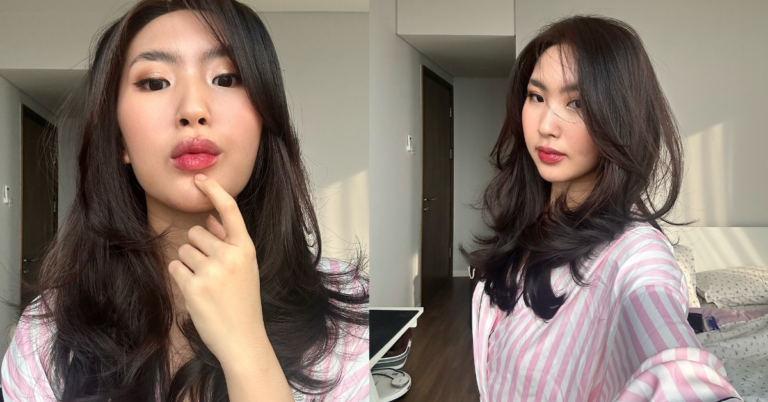
You can have the perfect outfit, but if you do a full face of heavy, glittery glam, it throws the aesthetic off completely. The office siren makeup is very specific.
It is all about a matte or satin skin finish. We are stepping away from the super dewy, glowing-like-a-glazed-donut look for a minute. You want to look matte and polished.
For the eyes, a subtle cool-toned brown eyeshadow, and maybe a very thin, smudged out eyeliner wing. You want to look like you effortlessly threw it together. For the lips, a 90s brown lip liner with a subtle clear or sheer berry gloss is the absolute dream combination.
Hair is best kept sleek. A slicked-back bun, a French twist held by a cool metal claw clip, or just really smooth, straight hair tucked behind your ears to show off your glasses.
How to Start Without Buying a Whole New Closet
I know this sounds like a lot of rules, but I promise it is so easy to start incorporating this into your life right now. You do not need to drop a ton of money.
- Check your closet first: I guarantee you already own a button-down shirt and some dark pants. Just try styling them differently. Tuck the shirt in smoothly, add a sleek belt, and put your hair up in a clip.
- Raid your mom’s closet: Seriously, if your mom worked in an office in the late 90s or early 2000s, she probably has goldmines sitting in boxes in the garage. Go ask her!
- Focus on accessories: If you wear your normal office clothes but add the Bayonetta glasses and a pointy shoe, you are already 80 percent there.
The best part about this trend is that it is fundamentally just classic, tailored clothing. It is not going to look totally ridiculous in two years. It is sustainable because you are buying staple pieces that you can mix and match forever.
Just a little note - some of the links on here may be affiliate links, which means I might earn a small commission if you decide to shop through them (at no extra cost to you!). I only post content which I'm truly enthusiastic about and would suggest to others.
And as you know, I seriously love seeing your takes on the looks and ideas on here - that means the world to me! If you recreate something, please share it here in the comments or feel free to send me a pic. I'm always excited to meet y'all! ✨🤍
Xoxo Isabella