
Hey guys, let’s grab a coffee or a matcha or whatever you are feeling right now because we seriously need to talk. I feel like it’s been a minute since we just sat down and chatted about stuff that actually matters. And by matters, I mean our hair. Because let’s be real, if your hair looks bad, the whole day is just… a struggle.
Let me tell you a quick story before we get into the main tea. So last Tuesday, I woke up and my hair was literally glued to my scalp. Like, zero volume. Flat as a pancake. I tried everything. I flipped my head upside down, I sprayed half a bottle of dry shampoo, I even tried that weird teasing thing we used to do in high school. Nothing worked. I looked in the mirror and just sighed. My hair is naturally kind of fine, and lately it just felt so heavy and lifeless. I ended up throwing it in a sad little claw clip and rushing out the door. It was a whole mess and honestly it totally ruined my mood for the whole morning.
And then, later that day, the universe sent me a sign. I was waiting in line at this cute new cafe downtown, and the girl in front of me had the most amazing hair I have seen in my entire life. It was short, bouncy, and had so much body. It wasn’t just a regular straight blunt cut. It had this gorgeous, perfect shape to it. It was shorter in the back and slightly longer in the front, and the back had these perfect, seamless layers that just pushed the hair up naturally. I am not usually the type to just talk to strangers, but I literally tapped her on the shoulder.
I was like, “I am so sorry to bother you but what do you call your haircut? Because I need it right now.” She laughed so hard and told me it was a graduated bob. She said she just got it done and it totally changed her life. We ended up talking for like ten minutes while waiting for our lattes. She told me how easy it was to style. So yeah, obviously I went straight home and fell down a massive Pinterest rabbit hole.
And guess what? It is officially THE haircut of 2026. Everyone is asking for it right now. The graduated bob is having a massive moment this year and for a very good reason. It is the absolute holy grail for maximum volume. If you are struggling with flat, boring hair, this is literally the answer we have been looking for.
What Actually Is A Graduated Bob?
If you are sitting there wondering what exactly a graduated bob is, don’t worry, I got you. Let’s break it down together because I was a little confused at first too.
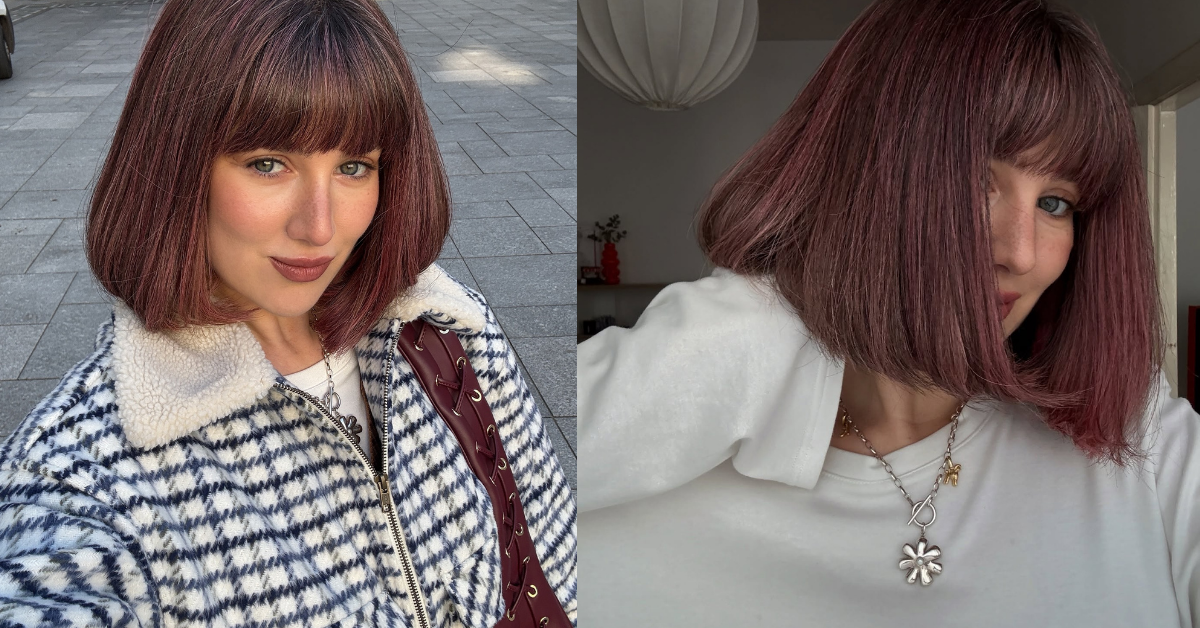
A graduated bob – sometimes people call it a stacked bob or an inverted bob – is basically a haircut where the hair is shorter in the back and gradually gets longer towards the front around your face. But the real magic is in the back. The stylist cuts stacked layers into the back section. This means the layers are cut close together and build upon each other.
This stacking effect is what creates that insane, built-in volume. You don’t even have to do much to it. The way the hair is cut literally forces it to sit with a beautiful, rounded curve at the back of your head. It pushes the hair up and out.
Now, I know what you might be thinking. You might be picturing that really harsh, extreme angled bob from like 2010. You know the one. The “I need to speak to the manager” cut. Trust me, babe, that is NOT what we are doing in 2026. The 2026 graduated bob is so much softer. It is much more blended, very chic, and super modern. The transition from short in the back to long in the front is subtle and flowing. It looks effortless.
Why We Are Completely Obsessed With It
There are so many reasons why I am pushing you to get this cut. First of all, the volume. I know I keep saying it, but it’s the truth. If you have fine or thin hair, this haircut is going to make it look twice as thick. It’s like an optical illusion for your head.
But even if you have thick hair, it works beautifully. It takes away all that heavy, bulky weight at the bottom of your hair that pulls your roots down. Your hair will literally feel lighter and bouncier. It swings when you walk. It’s the best feeling.
Another reason is the framing. Having those slightly longer pieces in the front is so incredibly flattering. It hugs your jawline and highlights your cheekbones. You get the fun, breezy feeling of short hair in the back, but you still have enough length in the front to frame your face and make you feel secure. You can still tuck it behind your ear, which you know is my favorite thing to do.
Plus, it just looks so put together. You know those days when you just wear a basic white tee and vintage jeans? A graduated bob makes that simple outfit look like a deliberate fashion choice. It adds instant style points without you having to try too hard.
The Salon Experience: How To Ask For It
Okay, so let me tell you about my salon appointment last week when I actually did the chop. I was so nervous! I sat in the chair and my stylist, Sarah, could tell I was freaking out a little bit. I have had long hair for like three years now. Me and my stylist always just do basic trims. So telling her I wanted to chop it all off was a big deal.
I showed her a bunch of reference photos. This is step number one for you, by the way. You have to bring pictures. Words mean different things to different stylists. So show them exactly what you want. Show pictures of the back, the sides, and the front.
When you are explaining it, use the words “soft graduation” and “subtle stack”. Tell them you want maximum volume in the back but you want the layers to be seamless. You don’t want a harsh line or a shelf. Emphasize that you want it to look modern and soft. Mention that you want to keep the length in the front around your collarbone or jawline, depending on what you prefer.
Sarah was amazing about it. She sectioned my hair, took a deep breath with me, and made the first big cut. Seeing all that dead weight fall to the floor was honestly so relieving. I felt like a new woman instantly. And when she started blow-drying it and that volume started to appear, I literally gasped. It was exactly what I wanted.
Styling Your Bob For Maximum Volume at Home
So, the haircut itself does a lot of the heavy lifting. But you still need to know how to style it at home to get that perfect, salon-fresh look. And I am not going to lie to you, there is a tiny bit of a learning curve.
Let me share another quick story because I totally messed it up the first time. The first time I washed it at home, I was so excited. I got out of the shower, grabbed my hair dryer and my round brush, and just started going crazy. I didn’t use any product. I was just yanking the brush through my wet hair. And guys, my hair just went totally flat and frizzy. I looked like a little mushroom. I almost cried thinking I made a huge mistake.
But then I texted Sarah and she gave me the step-by-step rundown. And now it takes me literally ten minutes and looks flawless every single time. Here is the exact routine you need to follow.
Step 1: Prep is Everything
You cannot skip hair products with this cut. After you towel dry your hair gently, you need a good volumizing mousse. Apply it mostly to the roots at the back of your head where you want the most lift. Don’t use too much or it gets crunchy. Just a golf ball sized amount.
Step 2: Rough Dry First
Do not go in with a brush right away. Flip your head upside down and rough dry your hair with your blow dryer until it’s about 80% dry. Focus the air on your roots. Use your fingers to lift the hair away from your scalp. This is crucial for building that foundational volume.
Step 3: The Round Brush Magic
Once it is mostly dry, section off the top part of your hair. Take your round brush – a medium sized ceramic one is the best – and start at the back. Roll the brush under the hair and pull it upwards as you blow dry. This tension and the upward motion are what give you that beautiful rounded shape. For the front pieces, you can just blow dry them straight down, slightly curving them under right at the ends so they hug your face.
Step 4: Texture Time
When it is totally dry, finish it off with a texturizing spray. Not hairspray! Hairspray makes it stiff. Texturizing spray gives it that gritty, lived-in, cool-girl vibe. Spray it in the roots at the back and just mess it up a little bit with your fingers. It makes the layers pop and gives you that incredible dimension.
Maintenance and Keeping It Fresh
Okay, so one thing you do need to know before you commit. Short hair actually requires more frequent trips to the salon than long hair. Because the shape of the graduated bob is so precise, once it starts growing out, it can lose its volume and start looking a little heavy at the bottom.
You are going to want to book a trim every six to eight weeks to keep that stacking in the back looking sharp and perfectly angled. But honestly, it is so worth it. The daily styling time is so much shorter that you actually save time overall.
And growing it out is surprisingly easy if you ever decide you want long hair again. Because the front is already longer, it grows out into a really cute lob (long bob) very naturally. You just have your stylist slowly even out the back with the front as it grows.
Just a little note - some of the links on here may be affiliate links, which means I might earn a small commission if you decide to shop through them (at no extra cost to you!). I only post content which I'm truly enthusiastic about and would suggest to others.
And as you know, I seriously love seeing your takes on the looks and ideas on here - that means the world to me! If you recreate something, please share it here in the comments or feel free to send me a pic. I'm always excited to meet y'all! ✨🤍
Xoxo Isabella