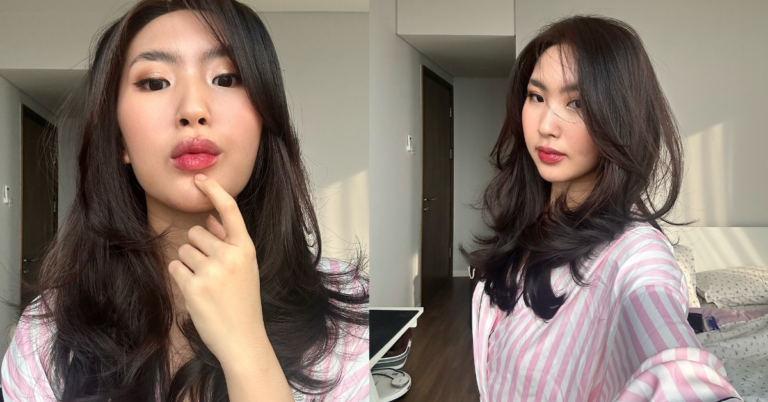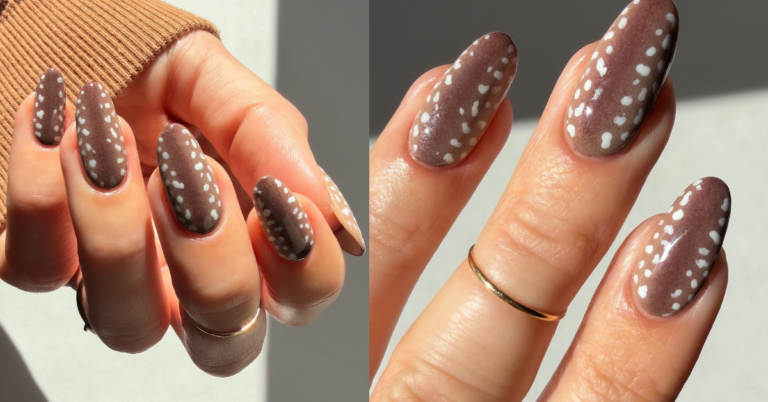

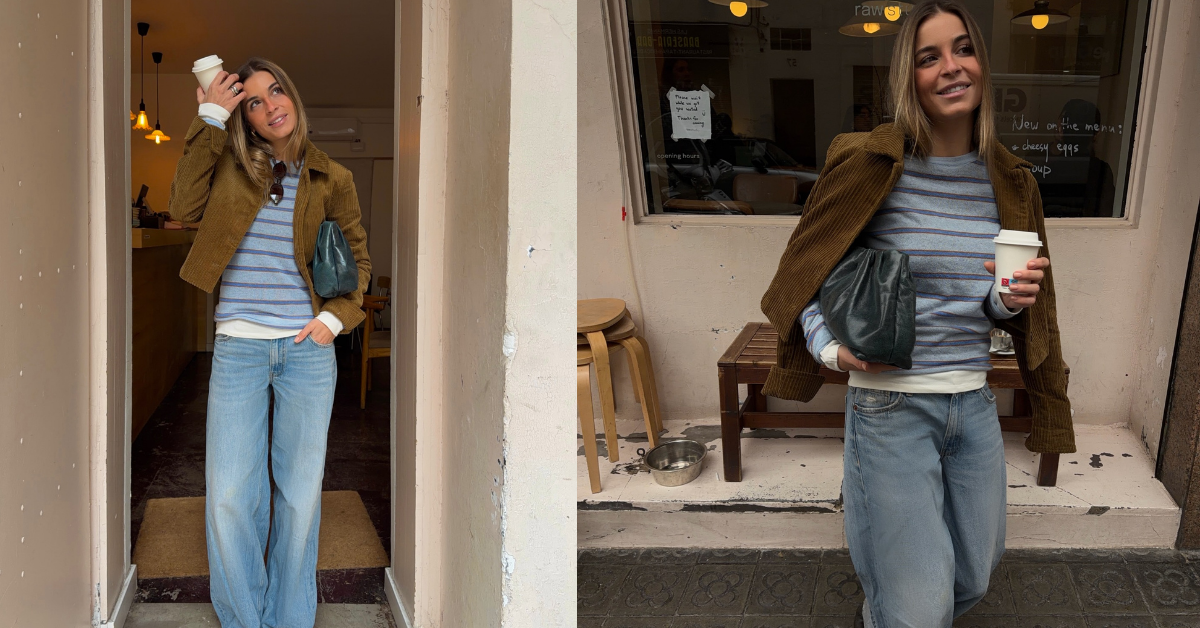
Every single week there is a new “core” or aesthetic popping up on our feeds. One minute we are supposed to be mysterious mob wives wearing vintage fur coats and bold lipstick. The next minute we are tying tiny pink ribbons to our half-eaten croissants and iced coffees because of the whole coquette trend. It is a lot. Like, a lot a lot. Who even has the time or the money to keep up with this?
Let me tell you a quick story. Last summer, I fell so incredibly hard for that whole ‘coastal cowgirl’ thing. I was obsessed. I literally convinced myself that my life was incomplete without these bright metallic silver cowboy boots. I dropped way too much money on them. Me and my roommate were so hyped when the package arrived. I put them on, felt like an absolute superstar, walked exactly three blocks to get an iced vanilla latte… and got the worst blister of my entire life. I had to limp home in the heat. Those boots? They are currently collecting dust in the dark corner of my room. They just sit there on the floor and judge my financial decisions every single day.
I realized something that day while putting band-aids on my heels. Chasing every single microtrend by buying new stuff is going to completely empty our bank accounts. It also leaves you with a closet full of random pieces that don’t match anything else. But at the same time – and let’s be totally honest here – it is so fun to play dress up. It’s so fun to feel trendy and cute when you step out the door!
So, how do we fix this whole mess? How do we stay stylish without going broke or feeling overwhelmed? Enter what I like to call the Trend Translator method.
What exactly is the Trend Translator?
Okay, hear me out. The Trend Translator is basically a mindset shift. Instead of looking at a viral outfit and thinking, “I need to buy that exact top and those exact pants,” you look at the outfit and ask yourself, “What is the vibe of this? What makes it cool?”
You are essentially extracting the DNA of the trend. Then, you recreate that exact same feeling using the clothes that are already hanging in your closet. Trust me on this, you already own way more trendy pieces than you think. You just aren’t looking at them right.
We are going to take three of the biggest current microtrends and I am going to show you exactly how to translate them for your real, everyday life. No shopping required. Let’s get into it!
Trend 1: The Coquette Aesthetic (Bows, Lace & Romance)
If you don’t know what coquette is, it’s basically hyper-feminine. Think Bridgerton meets modern day street style. Lots of lace, pastels, pearls, and bows on literally everything. It’s super dreamy and sweet.
The Trap: Buying a $150 sheer lace corset dress that you will only wear once to a brunch and then never again because it’s too uncomfortable.
The Translation: We are going to focus on the accessories and the textures instead.
Here is what you do. Go into your closet and pull out a basic oversized sweater or a simple cardigan. It can be grey, white, soft pink, whatever you have. Now, go to a local craft store or even a dollar store and buy a spool of satin ribbon. It will cost you maybe two bucks. Cut the ribbon into small pieces and tie little bows.
I did this last Tuesday! I took this old, chunky beige sweater that I basically only wear when I’m sick on the couch. I tied three little pink bows onto safety pins and pinned them down the front of the sweater. I paired it with my everyday straight-leg jeans and some flats. I wore it out to grab drinks, and a girl at the bar literally stopped me to ask if my sweater was a designer piece. I was laughing so hard inside. It’s all an illusion!
- Action Step: Add a ribbon to your hair. Take a basic white t-shirt and layer a slip dress (the one you usually wear to weddings) over it. Mix something super casual with something delicate.
- The Core Vibe: Softness. You don’t need a full historical costume. Just add one romantic element to your normal jeans-and-tee uniform.
Trend 2: The Office Siren / 90s Corporate
Oh my gosh, I love this one. The office siren trend is all about that very sleek, minimalist 1990s corporate energy. Think Bella Hadid leaving a business meeting in 1997. It involves tailored pieces, slim glasses, muted colors, and a very “I’m the boss and I’m busy” attitude.
The Trap: Buying a brand new, highly tailored, expensive pinstripe skirt suit just to take an Instagram picture.
The Translation: This is literally the easiest trend to fake because it relies heavily on basics you 100% already own.
Me and my bestie Sarah tried this for a dinner date last month. At first, we just threw on blazers over button-downs and looked in the mirror. We looked like we were heading to a middle school mathlete convention. It was totally wrong. We realized we were missing the “siren” part. It’s not just office wear, it’s office wear with a slight edge.
So, here is how you fix it. Take a pair of dark trousers. You know, those black or dark grey pants you wear when you have a job interview or don’t know what else to put on. Put on a tight, long-sleeve top. A turtleneck is absolutely perfect for this. Stick to neutral colors like black, charcoal, or brown.
The magic happens with the styling. You need your hair slicked back into a neat bun or a messy updo with a claw clip. Add a bold, glossy lip. If you have any old reading glasses or blue light glasses with a thin frame, put those on. Add some chunky silver earrings. Boom.
- Action Step: Dig out that old oversized blazer from the back of your closet. Wear it over a simple fitted top. Ditch the sneakers for the day and wear a pointed-toe boot or a kitten heel.
- The Core Vibe: Polished but slightly intimidating. It is 80% attitude and hair/makeup, and only 20% the actual clothes.
Trend 3: Eclectic Grandpa (Retro Cozy)
Okay, this one is my absolute favorite because it is so incredibly comfortable. The eclectic grandpa aesthetic is exactly what it sounds like. It’s about mixing patterns, wearing chunky knits, sweater vests, vintage baseball caps, and loafers. It’s like you raided a really stylish older gentleman’s closet.
The Trap: Going to a vintage store and dropping $80 on a perfectly distressed racing jacket that smells a little weird.
The Translation: You probably have the pieces for this, you just usually never wear them all at the exact same time.
The secret formula here is layering. You need to look a tiny bit mismatched but in a very intentional way. Start with a button-down shirt – maybe a striped one that you haven’t worn in a year. Layer a graphic tee or a chunky knit sweater over it so the collar pops out.
Fun fact – I actually found a vintage argyle sweater vest that belonged to my actual grandpa in our family attic a while ago. For years I thought it was too ugly to wear. But last week? I layered it over a white tee, threw on some baggy denim, and added my chunky everyday sneakers. I added a faded baseball cap and some gold hoops to make it feel girly.
It was so warm and comfortable. I felt like I was walking around in a stylish blanket all day.
- Action Step: Mix a formal pattern (like plaid or argyle) with something super casual (like sweatpants or a sporty hat). Put on your thickest, warmest socks and let them peek out over your shoes.
- The Core Vibe: Comfort above all else, but layered heavily. More is more with this look.
The Golden “3-Piece Rule” for Microtrends
If you take away absolutely nothing else from my rambling today, please just remember this one rule. I call it the 3-Piece Rule.
Whenever you are trying to pull off a new aesthetic using your own clothes, never wear more than three pieces that scream that specific trend. If you go overboard, it looks like you are wearing a Halloween costume.
For example, if you want to do the coquette thing… wear the bow in your hair (1), the lace top (2), and a pearl necklace (3). Then stop. Ground the rest of the outfit with something normal, like plain baggy jeans and a basic jacket. The contrast is what makes you look fashionable instead of like you’re trying too hard.
Fashion is supposed to be a tool for you to express yourself, not a test that you can fail. The internet moves so fast these days, and honestly, nobody expects you to keep up with every single thing. But looking at your own wardrobe with a fresh set of eyes is genuinely so empowering.
Next time you see a girl on TikTok wearing an outfit that makes you think, “Wow, I need to buy that,” just pause the video. Look at the shapes, the colors, and the way she layered things. Then walk over to your closet and see how close you can get. I promise you, you will surprise yourself.
Anyway, that is my fashion rant for the day! I’m gonna go make myself another coffee because I am crashing hard. Let me know in the comments which microtrend is your favorite right now, or if you have tried translating one recently. I love reading what you guys come up with!
Chat soon!
– Anne
Just a little note - some of the links on here may be affiliate links, which means I might earn a small commission if you decide to shop through them (at no extra cost to you!). I only post content which I'm truly enthusiastic about and would suggest to others.
And as you know, I seriously love seeing your takes on the looks and ideas on here - that means the world to me! If you recreate something, please share it here in the comments or feel free to send me a pic. I'm always excited to meet y'all! ✨🤍
Xoxo Isabella